On this pageWhat is RFID?
RFID explained simply: how assets are detected automatically
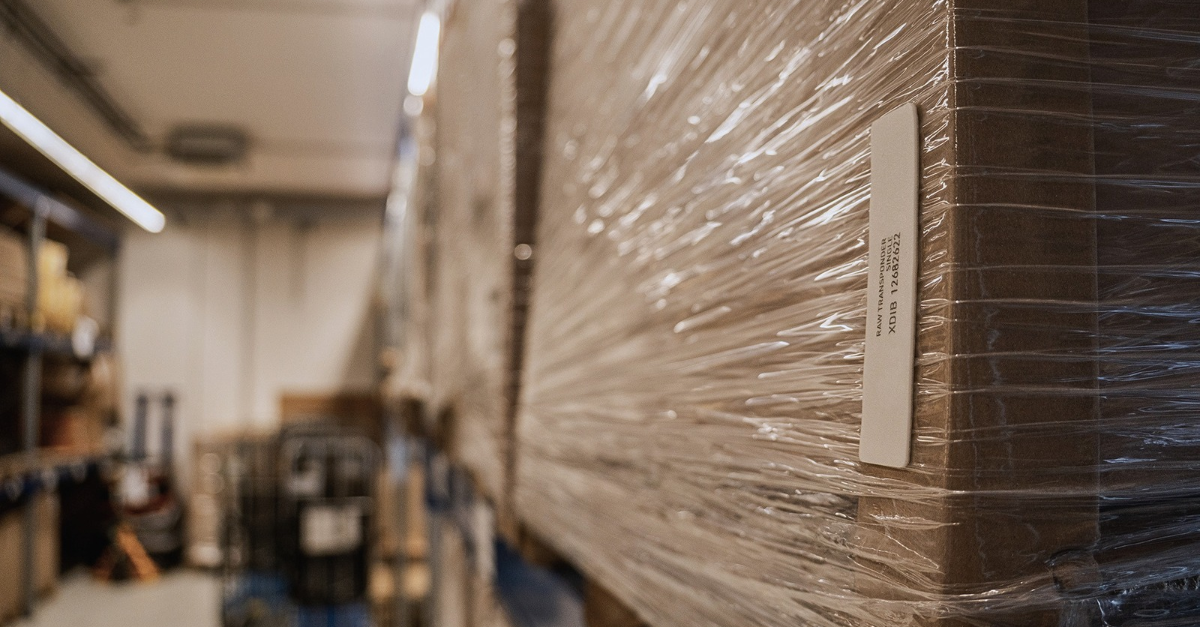
Containers, tools or load carriers whose location is recorded automatically, without anyone scanning them or entering them into a list: RFID makes this possible. But how does the technology actually work, and why is it especially well suited for asset tracking? In this post, we explain the basics.
What is RFID?
RFID stands for "Radio Frequency Identification." Objects are identified using radio waves. Unlike with a barcode, no one has to pick up the object and scan it individually. No line of sight is required.
The technology isn't new. We encounter RFID in everyday life more often than you might think: in access cards, in libraries, in retail and in logistics.
How does RFID work?
Detection requires two things: an RFID tag on the object and a reader.
An RFID tag consists of a small chip and an antenna. The chip stores a unique identifier, similar to a serial number. This allows every tagged object to be clearly identified.
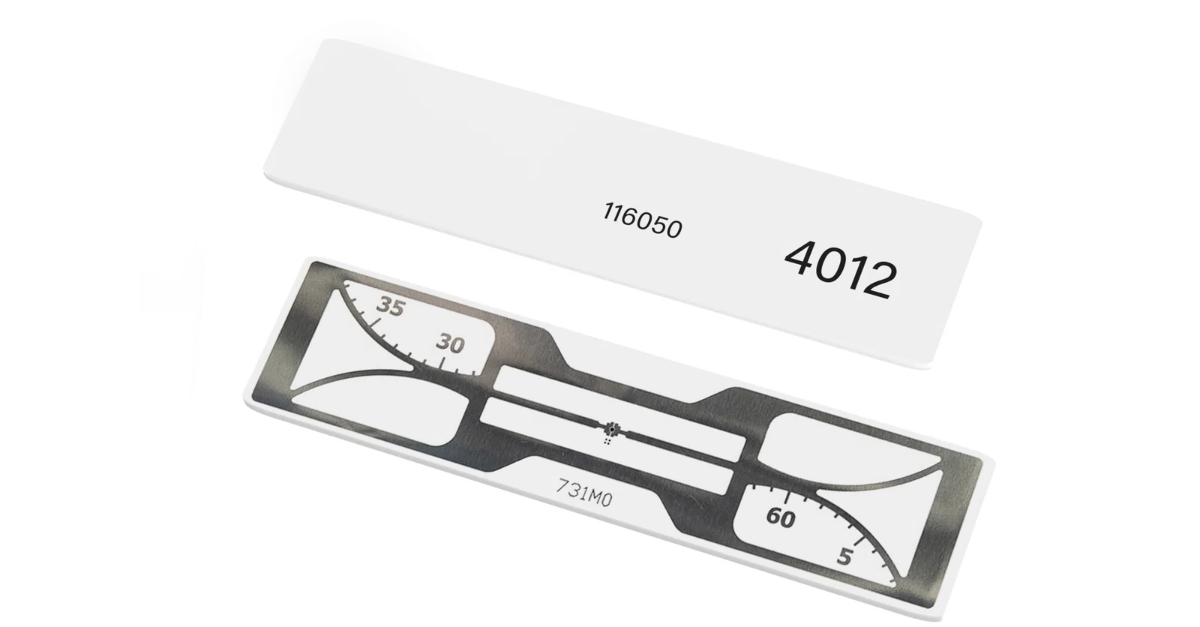
The process in three steps:
The reader sends out a radio signal.
If a tag is within the read range, it receives the signal and responds with its identifier. Passive tags draw the energy for this from the signal itself.
The reader captures the identifier and passes the information on, for example to a software application. There you can see which object was detected when and at which detection point.
This happens in a fraction of a second and without anyone having to intervene.
Passive or active?
The main distinction is between active and passive tags:
Active tags have their own battery. They allow for greater read distances but are more expensive and larger. In addition, their battery must be regularly maintained or replaced.
Passive tags work without a battery. They draw the energy for their response directly from the reader's radio field. This makes them small and low-maintenance, and they can be used cost-effectively even in large quantities. In return, their range is shorter, at a few meters.
locantra relies on passive tags. This is a major advantage, especially when many assets need to be tagged, because no batteries have to be replaced.
What does UHF mean?
RFID operates in different frequency ranges. The most important ones are:
Low frequency (LF): very short read distance, for example for animal identification
High frequency (HF): a few centimeters up to about one meter, for example for access cards or NFC in smartphones
Ultra-high frequency (UHF): read distances of several meters, depending on the operating conditions
UHF is particularly well suited for asset tracking. Thanks to the greater range, objects are detected without having to hold them directly up to a reader. That is exactly what matters in day-to-day operations, when containers or equipment should simply follow their usual path.
RFID compared to barcodes
Barcodes and QR codes are widespread and inexpensive. But they have one limitation: each code must be scanned individually and with line of sight. That takes time and only works if someone remembers to do it.
RFID works differently:
Automatic detection: No one has to actively scan.
Multiple tags at once: A reader can capture many tags in a short time.
Detection is no longer an additional task but happens in the background.
RFID isn't without limits, though: metal and liquids can interfere with radio transmission, and the orientation of the tag and reader affects detection. That's why it pays to take a look at materials and the environment in advance.
How locantra uses RFID
locantra combines passive UHF RFID tags with mobile Track Boxes (readers). As soon as tagged assets enter their read range, they are detected automatically. In the software, you can then see where an asset was last located. You can read how locantra is set up in our first post.
At a glance
RFID makes it possible to identify objects automatically and without manual scanning. Passive UHF tags in particular offer good conditions for this: they don't need their own power supply, are low-maintenance and can be detected over several meters.
Combined with mobile readers and suitable software, this creates a foundation for automated asset tracking. Companies gain more transparency over their assets without additional manual recording.