On this pageWhat is RFID?
RFID explained simply: how assets are detected automatically
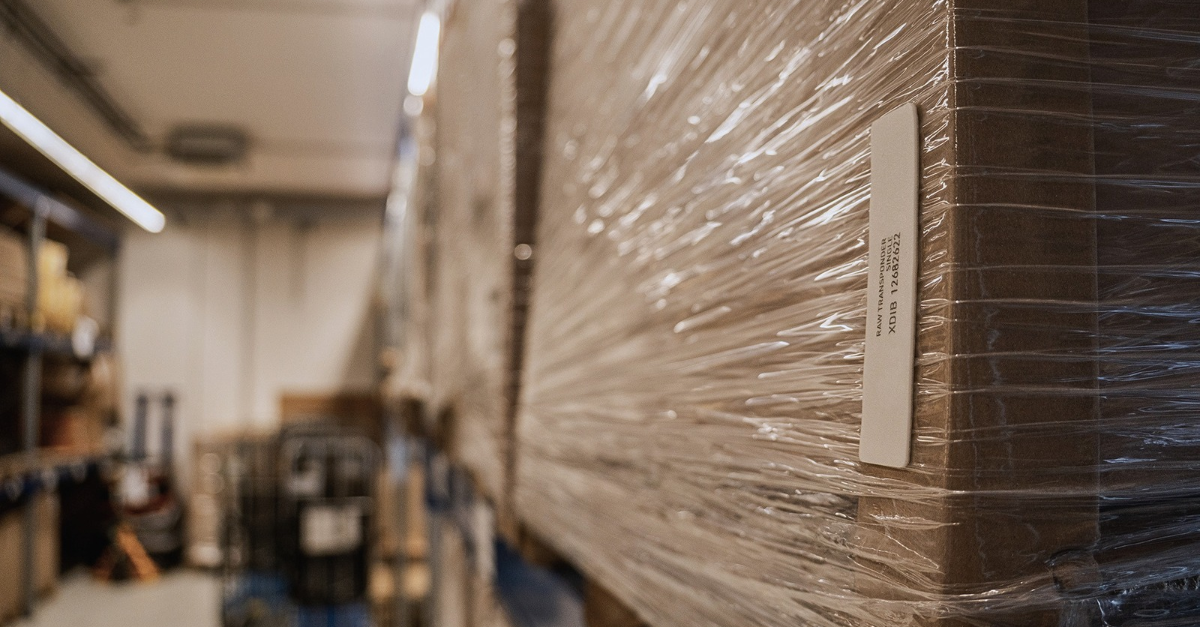
Containers, tools or load carriers whose location is recorded automatically, without anyone having to scan them or enter them in a list: RFID makes this possible. But how does the technology actually work, and why is it particularly well suited to asset tracking? In this article, we explain the basics.
What is RFID?
RFID stands for "Radio Frequency Identification", i.e. identification by radio. Objects are identified using radio waves. Unlike a barcode, nobody has to pick up the object and scan it individually. No line of sight is required.
The technology isn't new. We come across RFID in everyday life more often than you might think: in access cards, in libraries, in retail and in logistics.
How does RFID work?
Two things are needed for detection: an RFID tag on the object and a reader.
An RFID tag consists of a small chip and an antenna. A unique identifier is stored on the chip, similar to a serial number. This means every tagged object can be clearly identified.
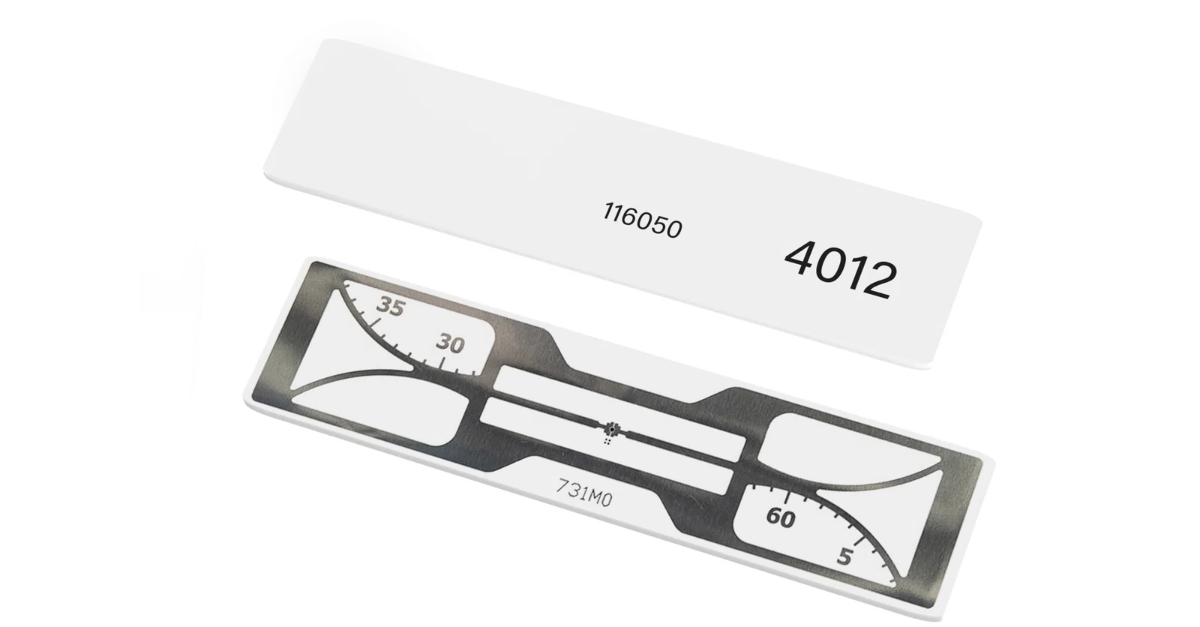
The process in three steps:
The reader sends out a radio signal.
If a tag is within the read range, it receives the signal and responds with its identifier. Passive tags use the energy from the signal itself to do this.
The reader records the identifier and passes the information on, for example to software. There, you can see which object was detected, when, and at which capture point.
All this happens in fractions of a second and without anyone needing to intervene.
Passive or active?
A distinction is made primarily between active and passive tags:
Active tags have their own battery. They allow greater read distances but are more expensive and larger. Their battery also needs regular maintenance or replacement.
Passive tags work without a battery. They draw the energy for their response directly from the reader's radio field. As a result, they are small and low-maintenance, and can be used cost-effectively even in larger quantities. In return, their range is shorter, at a few metres.
locantra relies on passive tags. This is a major advantage, especially when many assets need to be tagged, as there are no batteries to change.
What does UHF mean?
RFID operates in different frequency ranges. The most important are:
Low frequency (LF): very short read distance, for example for identifying animals
High frequency (HF): a few centimetres up to about one metre, for example for access cards or NFC in smartphones
Ultra-high frequency (UHF): read distances of several metres, depending on operating conditions
UHF is particularly well suited to asset tracking. Thanks to the greater range, objects are detected without having to be held directly up to a reader. That is exactly what counts in day-to-day operations, where containers or equipment should simply follow their usual route.
RFID compared with barcodes
Barcodes and QR codes are widespread and inexpensive. However, they have one limitation: each code has to be scanned individually and with line of sight. This takes time and only works if someone remembers to do it.
RFID works differently:
Automatic detection: nobody has to actively scan.
Multiple tags at once: a reader can capture many tags in a short time.
Detection is therefore no longer an additional task – it happens in the background.
That said, RFID is not without its limits either: metal and liquids can interfere with radio transmission, and the orientation of the tag and reader affects detection. That is why it is worth taking a look at the materials and environment beforehand.
How locantra uses RFID
locantra combines passive UHF RFID tags with mobile Track Boxes (readers). As soon as tagged assets enter their read range, they are detected automatically. In the software, you can then see where an asset was last located. You can find out how locantra is structured in our first article.
At a glance
RFID makes it possible to identify objects automatically and without manual scanning. Passive UHF tags in particular are well suited to this: they need no power supply of their own, are low-maintenance and can be detected over several metres.
Combined with mobile readers and suitable software, this creates a basis for automated asset tracking. Companies gain greater transparency over their assets without any additional manual data entry.